
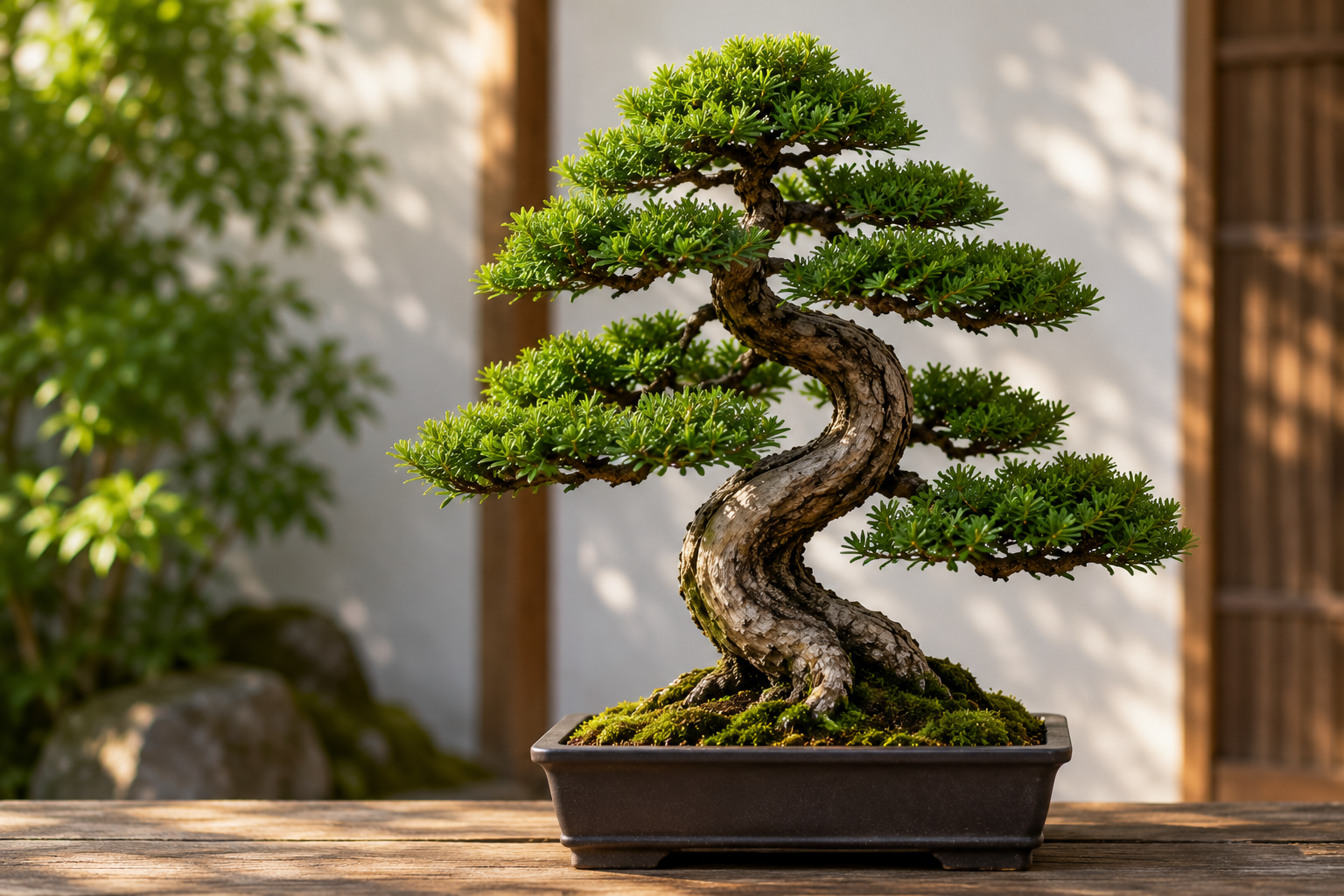
Bonsai trees combine nature, creativity, and patience in one beautiful living art form. These miniature trees bring elegance to indoor and outdoor spaces while offering a rewarding gardening hobby. Whether you’re buying your first bonsai or looking to improve your care routine, understanding the basics will help your tree thrive for years.
In this guide, you’ll learn about popular bonsai tree varieties, essential care tips, and how to keep your bonsai healthy throughout every season.
What Is a Bonsai Tree?
A bonsai tree is not a special species of tree. Instead, it’s a regular tree carefully trained and pruned to remain small while maintaining the appearance of a mature tree found in nature.
With proper care, bonsai trees can live for decades and even become treasured family heirlooms.
Popular Bonsai Tree Varieties
Juniper Bonsai
Juniper is one of the most popular bonsai trees for beginners.
Why gardeners love it:
- Hardy and forgiving
- Beautiful evergreen foliage
- Excellent for outdoor bonsai collections
Ficus Bonsai
Ficus is one of the easiest bonsai trees to grow indoors.
Benefits include:
- Tolerates lower humidity
- Adapts well to indoor conditions
- Fast-growing and easy to shape
Japanese Maple Bonsai
Known for its delicate leaves and brilliant autumn colors, Japanese Maple bonsai creates a stunning seasonal display.
It grows best outdoors with protection from harsh afternoon sun.
Chinese Elm Bonsai
Chinese Elm is valued for its graceful branches and attractive bark.
It responds well to pruning, making it an excellent choice for beginners.
Jade Bonsai
Technically a succulent, Jade bonsai stores water in its thick leaves, making it one of the most drought-tolerant bonsai options.
It thrives in bright indoor locations.
Choosing the Right Location
Most bonsai trees require plenty of natural light.
General recommendations:
- Bright, indirect light for indoor bonsai
- Morning sun for many outdoor varieties
- Good air circulation
- Protection from extreme temperatures
Different species have different light requirements, so always check the needs of your specific bonsai.
Watering Bonsai Trees
Proper watering is one of the most important parts of bonsai care.
Instead of watering on a schedule:
- Check the soil daily.
- Water thoroughly when the surface begins to dry.
- Allow excess water to drain completely.
Avoid letting the soil stay constantly soggy.
Best Soil for Bonsai
Bonsai trees need fast-draining soil that provides both moisture and airflow.
A quality bonsai soil mix usually contains:
- Akadama
- Pumice
- Lava rock
- Pine bark (for some species)
Good drainage helps prevent root rot and encourages healthy root development.
Fertilizing Bonsai
Because bonsai trees grow in small containers, nutrients are quickly used up.
Feed your bonsai during the growing season with a balanced fertilizer every two to four weeks, following the product instructions.
Reduce feeding during winter dormancy for outdoor species.
Pruning and Shaping
Pruning keeps bonsai trees healthy and maintains their miniature appearance.
Routine maintenance includes:
- Removing dead branches
- Trimming new shoots
- Shaping the canopy
- Wiring branches carefully to guide growth
Regular pruning encourages dense, attractive foliage.
Repotting
Most bonsai trees need repotting every two to five years.
Repotting helps:
- Refresh the soil
- Prevent root crowding
- Improve drainage
- Encourage healthy growth
Spring is generally the best time for repotting many bonsai species.
Common Bonsai Problems
Watch for these common issues:
- Yellow leaves from overwatering
- Dry branches from underwatering
- Weak growth from insufficient light
- Root rot caused by poor drainage
- Pests such as spider mites or scale insects
Early attention usually prevents long-term damage.
Decorating With Bonsai Trees
Bonsai trees add natural beauty to many spaces, including:
- Living rooms
- Home offices
- Patios
- Zen gardens
- Entryways
- Outdoor terraces
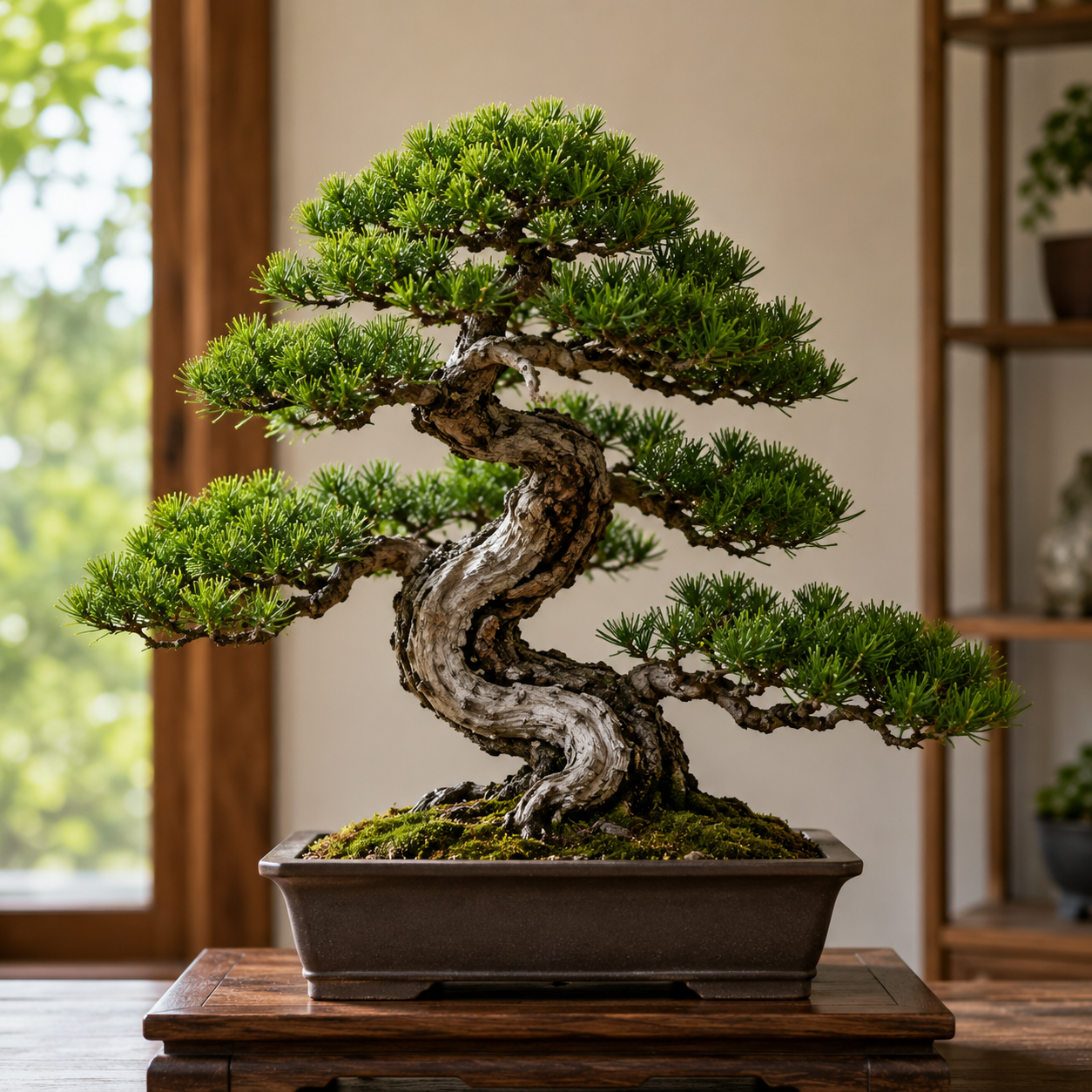
Pair your bonsai with a simple ceramic pot and clean surroundings to highlight its sculptural form.
Final Thoughts
Bonsai trees are more than decorative plants—they’re living works of art that reward patience and care. By choosing the right variety, providing proper light, watering carefully, and pruning regularly, you can enjoy a healthy bonsai that grows more beautiful with each passing year.
Whether you prefer a classic Juniper, a graceful Japanese Maple, or an easy-care Ficus, bonsai trees make a timeless addition to any home or garden.